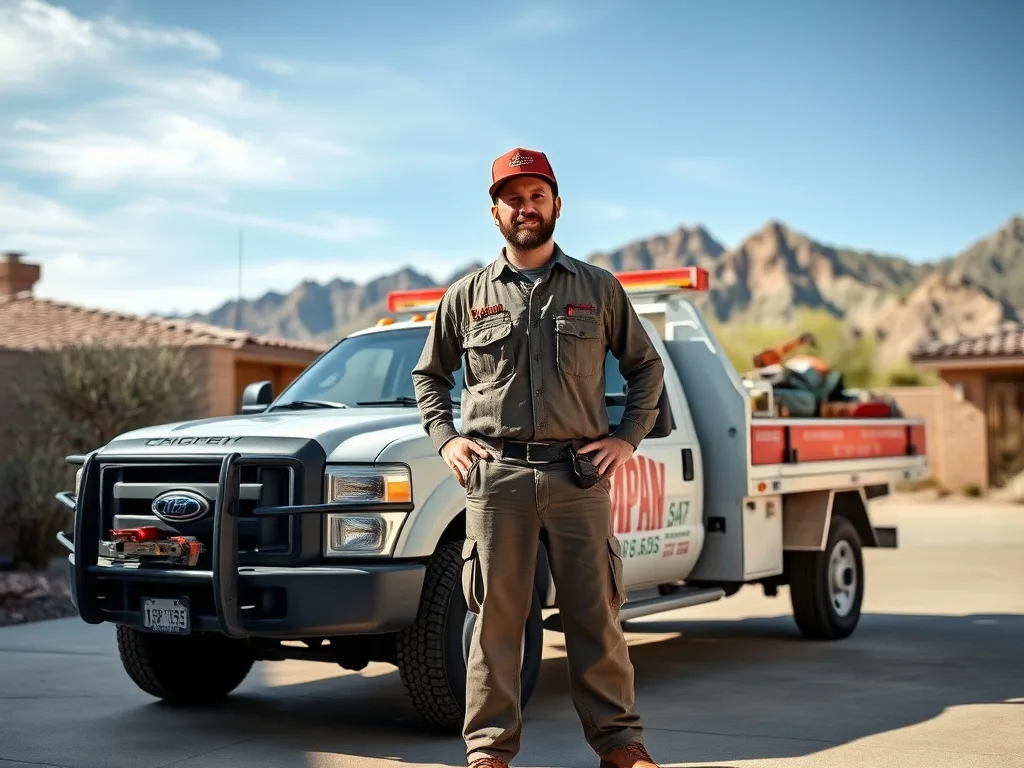
About the Company
Built for Tucson-basin ground, not a generic Arizona playbook
A lot of concrete content gets written for Phoenix and applied to the whole state. We started from the caliche up: Tucson-basin soil, a monsoon that hits harder here than in the Valley, and the elevation gradient that makes Sierra Vista a genuinely different climate than Tucson.
Why We Exist
Southern Arizona settlement is a soil problem wearing a concrete costume
Most concrete repair content online is written for the country in general — or, in Arizona, for Phoenix specifically. The Tucson basin has its own soil story: a caliche hardpan layer that blocks drainage, expansive clay above it that swells and shrinks with the monsoon cycle, and foothills lots on decomposed granite that behave differently from either.
That's why every estimate we run starts with the ground, not the concrete. What soil profile is this lot actually sitting on? Where is monsoon water pooling that you can't see? Is this a settlement problem, a swelling-clay problem, or — at higher elevation — a freeze-thaw problem? Then, and only then, do we talk about method and price.
The fix follows the diagnosis: mudjacking or polyurethane lifting for settled slabs, routed and sealed repair for cracks, resurfacing for tired-but-sound driveways, and honest scoping toward foundation work or a full new pour when that's what the ground actually calls for. Across Tucson, Sierra Vista, Green Valley, Oro Valley, and Nogales.
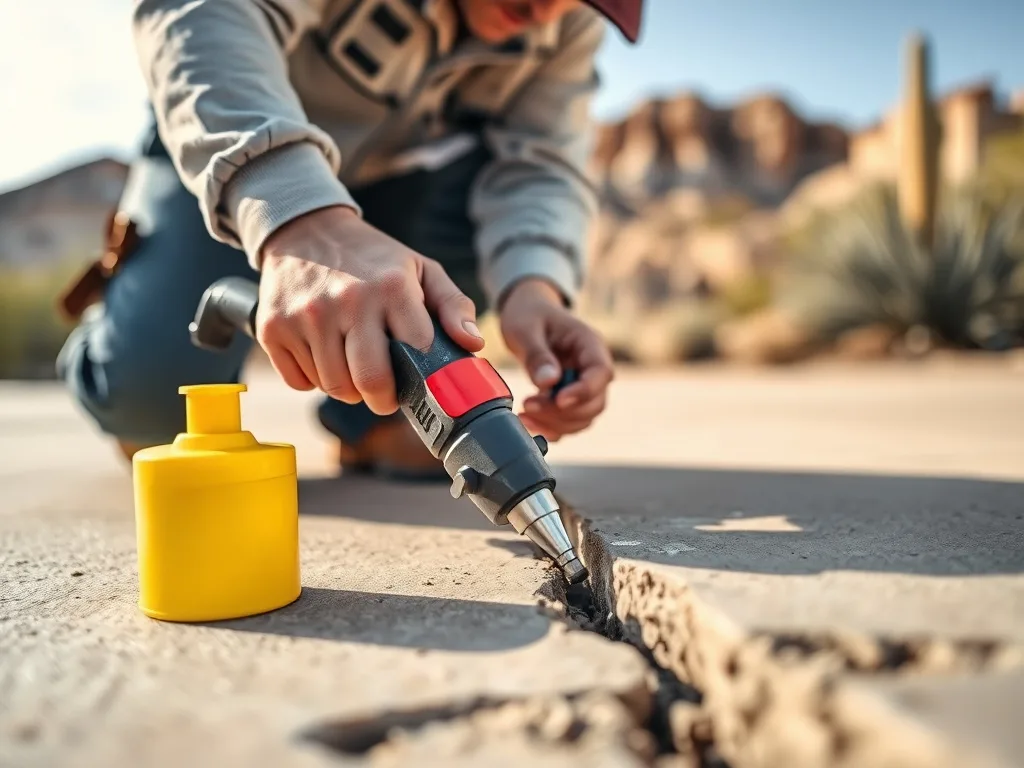
The honest-scoping rule
We don't level slabs that are broken beyond repair, we don't chase major structural foundation movement with flatwork fixes, and we don't recommend a new pour when resurfacing will do. When your project needs a geotechnical engineer instead of us, we say so at the free inspection — because the referrals that honesty earns are worth more than any single job.
How We Work
Three commitments on every job
Diagnosed, not guessed
Elevation readings and a real soil assessment before we recommend a method — caliche-and-clay, decomposed granite, or something else entirely.
Fix the water, not just the concrete
Every leveling and crack repair job includes an assessment of what's feeding the problem — drainage, scupper discharge, irrigation. That's what makes a repair last through the next monsoon.
Fixed price before we start
Free inspections, fixed quotes, no discover-more-once-we-start games. If scope changes underground, we stop and talk first.
By the Numbers
The regional facts we work from
2×
Tucson's monsoon rainfall vs Phoenix — roughly 5.95 in. vs 2.56 in. seasonally
2–4 ft
typical depth of the caliche hardpan layer under Tucson-basin soil
4,623 ft
Sierra Vista's elevation — high enough for real winter freeze-thaw nights
100%
of jobs logged: injection points or repair scope, and before/after measurements
Why We Diagnose First
The right fix depends on which ground you're actually standing on
Here's the argument in one sentence: a repair that doesn't match the soil underneath it doesn't last. Mudjacking on ground that's still actively swelling with monsoon water can settle again. A stamped decorative finish poured over soil that hasn't been properly compacted cracks along the same lines within a couple of seasons. Sealing a crack without correcting the drainage that's feeding it just delays the next crack, it doesn't prevent it.
That's why every job starts with a real look at what's underneath — caliche and expansive clay in the Tucson basin, decomposed granite and settlement risk in the foothills, and genuine freeze-thaw exposure once you climb toward Sierra Vista's elevation. None of that is proprietary knowledge; it's publicly documented regional soil and climate science. What we add is the judgment to apply it to your specific slab, and the honesty to tell you when the fix needs to start with the ground, not the concrete.
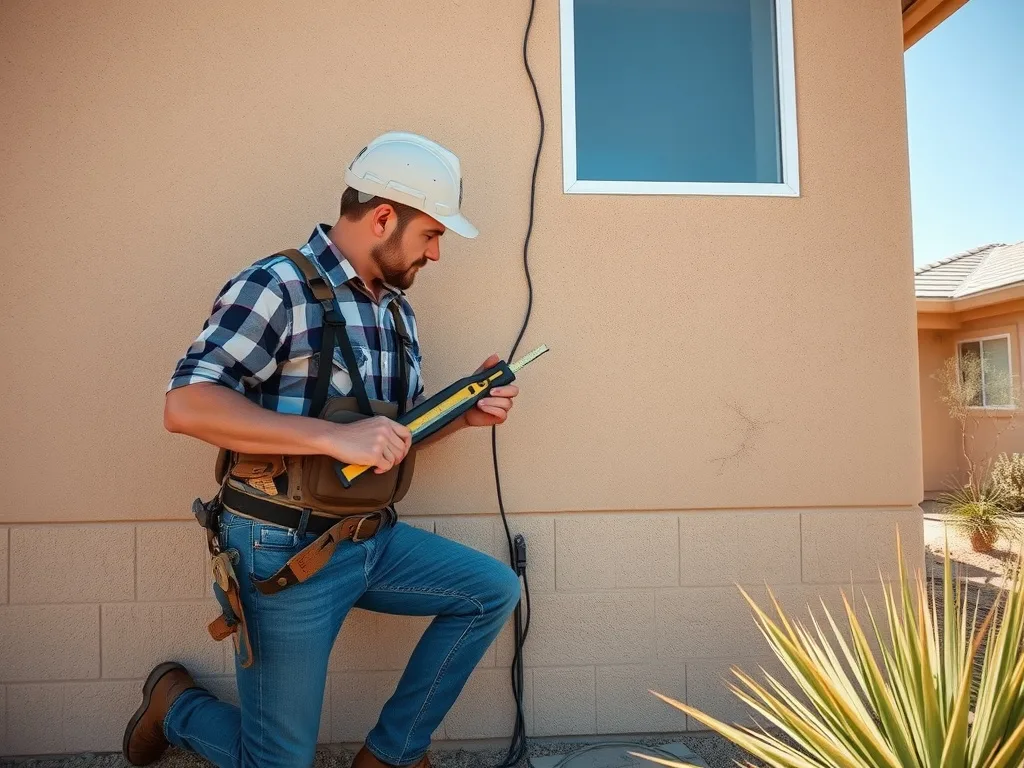
Southern Arizona, specifically
Southern Arizona Concrete is built to serve the Tucson region and its surrounding communities — from the caliche-heavy valley floor to the foothills and out to Sierra Vista and Nogales. One standard of work, one soil-first diagnosis approach, everywhere the ground here moves.
Arizona ROC standards
Concrete repair work in Arizona falls under the Registrar of Contractors' concrete classifications — always verify any contractor's license at roc.az.gov before they drill or pour.
Regional dispatch
Tucson daily, Oro Valley/Marana/Sahuarita/Green Valley regularly, and routed dispatch to Sierra Vista, Vail, Benson, and Nogales.
Talk to a real person
844-967-5247 — real scheduling, real answers. Or josh@contractorschoiceagency.com if you'd rather write.
Sunken slab or cracked driveway? Get a real number this week.
Free estimates across Southern Arizona. Most residential jobs are quoted and scheduled within days, not weeks.