Why Is My Tucson Driveway Cracking? Caliche, Clay & the Monsoon Cycle Explained
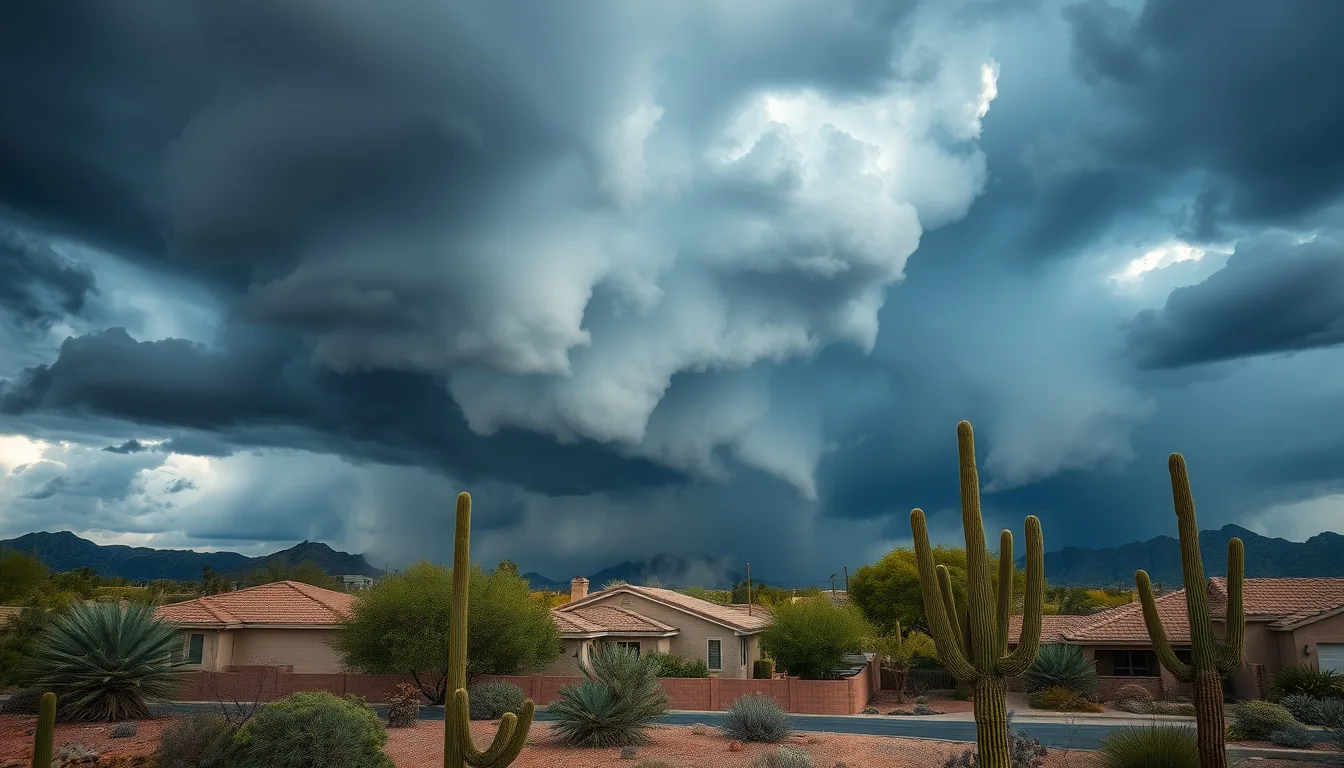
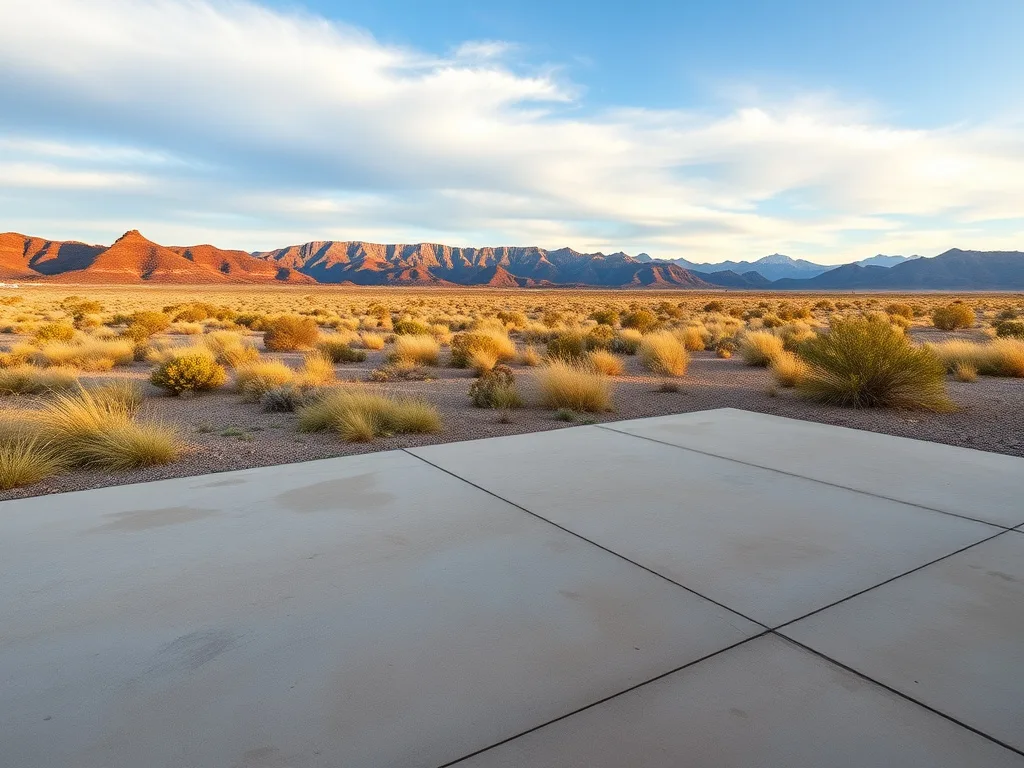
If you've watched a hairline crack in your driveway or patio widen noticeably after a hard summer storm, you're not imagining it. Southern Arizona concrete cracks on a predictable seasonal cycle, and the cause is underground, not in the concrete mix.
The caliche layer: the desert's fake bedrock
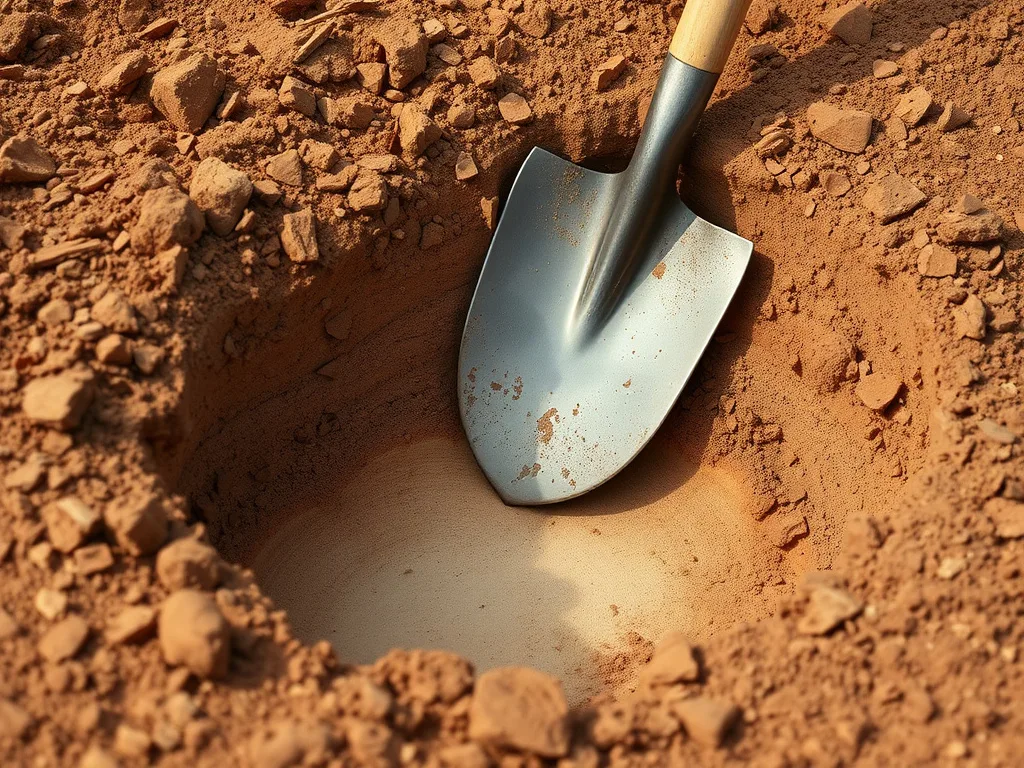
Caliche is a naturally cemented layer of calcium carbonate that sits roughly 2 to 4 feet below grade across much of the Tucson basin. It's hard — genuinely rock-hard in places — and it does one thing extremely well: it blocks water from draining straight down into the ground the way it would through ordinary soil.
That's the whole problem in one sentence. Water that should soak downward and disperse instead pools on top of the caliche layer, right around the depth where your driveway's or patio's base course sits.
Expansive clay: the layer that actually moves
Above the caliche, much of the Tucson valley floor has clay and silt content that expands meaningfully when saturated and shrinks again once the region's long dry stretches return. When monsoon runoff saturates that layer — trapped there by the caliche underneath — it swells and pushes upward and sideways against whatever's sitting on top of it. When the dry season returns, it shrinks back down, and the slab it was pushing against settles into the gap.
Do that every summer for a few years and you get exactly the pattern homeowners describe: a crack that seems stable through the fall and winter, then visibly widens after the first hard monsoon storm of the following summer.
Why Tucson gets hit harder than Phoenix
This is the part most Phoenix-based concrete content gets wrong when it's applied to Tucson: Tucson typically receives more than double Phoenix's monsoon rainfall — averaging around 5.95 inches of monsoon-season rain compared to Phoenix's roughly 2.56 inches, despite both cities sitting in the same desert. Tucson's higher elevation and closer proximity to Gulf of California moisture let it tap into tropical monsoon moisture more reliably than the Phoenix valley does.
More monsoon water means more saturation of the clay layer trapped above the caliche, which means more of the swell-shrink cycle that drives Tucson-area cracking. A concrete guide written for Phoenix's lighter, drier monsoon pattern will consistently underestimate what's actually happening under a Tucson driveway.
The foothills tell a different story
Not every Southern Arizona lot sits on caliche-and-clay. In the Catalina Foothills and the areas around Vail near the Rincon foothills, the soil shifts to decomposed granite and sandier fill. This soil type is less prone to the clay swell-shrink cycle, but it introduces a different risk: if the fill wasn't compacted thoroughly during original construction, it's prone to settlement — especially on newer construction where the fill hasn't had years to consolidate naturally.
That's why the right diagnosis for a cracked slab depends on knowing which soil profile you're actually sitting on, not just applying a generic "Arizona soil" explanation.
What this means for your driveway or patio
Storms are the trigger, not the cause. The cause is the caliche-and-clay layering underneath; the monsoon storm is just what activates it each year. That's why:
- Cracks often widen noticeably right after a hard storm following a dry stretch
- The same slab can look stable for years and then crack visibly in one unusually wet monsoon season
- Sealing a crack without addressing drainage often means it reopens the following summer
- Foothills lots on decomposed granite settle differently than valley-floor lots on clay, and need a different fix
What to do about it
For a crack that's just started, sealing it before the next monsoon season is the cheapest and most effective move — it stops water from reaching the soil underneath and restarting the cycle. For a slab that's visibly settled, leveling addresses the symptom while drainage correction addresses the cause. For foundation-adjacent cracking or a sloping floor, the movement may be structural rather than surface-level, and deserves a proper on-site diagnosis.
The through-line on all of it: in Southern Arizona, fixing the concrete without understanding what the caliche and clay underneath are doing is a repair that doesn't last through the next monsoon season.
Ready for a real number?
Free estimates across Southern Arizona — assessed on site, fixed price before any work starts.